


❓ The Hard Question: “If Knowledge Is Power, Why Are So Many Financially Smart People Still Not Rich?”
You’ve read the books, watched the videos, understand compound interest, know the difference between assets and liabilities, and can explain inflation like an economist. Yet your bank account hasn’t changed much. Why does this happen?
This is the biggest myth in personal finance: that knowing equals becoming. Financial literacy tells you what to do, but wealth comes from doing it consistently, under pressure, over time. And that part has almost nothing to do with knowledge.
❓ What Exactly Are People Getting Wrong?
Most people believe this formula:
Financial Knowledge → Wealth
But the real formula is:
Knowledge + Discipline + Action + Time + Risk = Wealth
Here’s the core mistake: People treat financial literacy as the destination, when it’s only the map. A map is useless if you never leave home, or if you quit walking after the first mile, or if you panic and turn back every time the road gets rough.
Being able to recite budgeting rules won’t stop you from spending impulsively. Understanding investment returns won’t help if you never invest. Knowing debt is dangerous won’t keep you from borrowing when emotions hit. Literacy informs your decisions — but your habits, mindset, and courage execute them.
❓ Who Actually Benefits From Financial Literacy? And Who Gets Left Behind?
✅ Who benefits: People who already have the discipline to delay gratification, take action, and tolerate risk. For them, knowledge is fuel.
❌ Who stays stuck: People who expect information to magically fix their habits, emotions, and circumstances. They collect more facts while doing nothing — and wonder why nothing changes.
Financial literacy is a multiplier, not a starter. It makes good habits powerful — but it cannot replace the habits themselves.
❓ Then What Should You Actually Do? — The Wealth Formula No One Teaches
1. ✅ Turn Knowledge Into Tiny, Daily Action Immediately
Learn one thing → do it this week. Not “later.” If you learn about saving, save something today — even ₦100. Knowledge not applied starts fading in 48 hours. Execution beats education every single time.
2. ✅ Master Your Emotions Before You Master Money
Most money mistakes aren’t from ignorance — they’re from fear, greed, impatience, or pride. You can know everything about investing but still panic-sell when prices drop, or chase quick scams because you’re impatient. Wealth is 20% knowledge and 80% emotional self-control.
3. ✅ Take Calculated Risks — Knowledge Without Risk-Taking Creates No Wealth
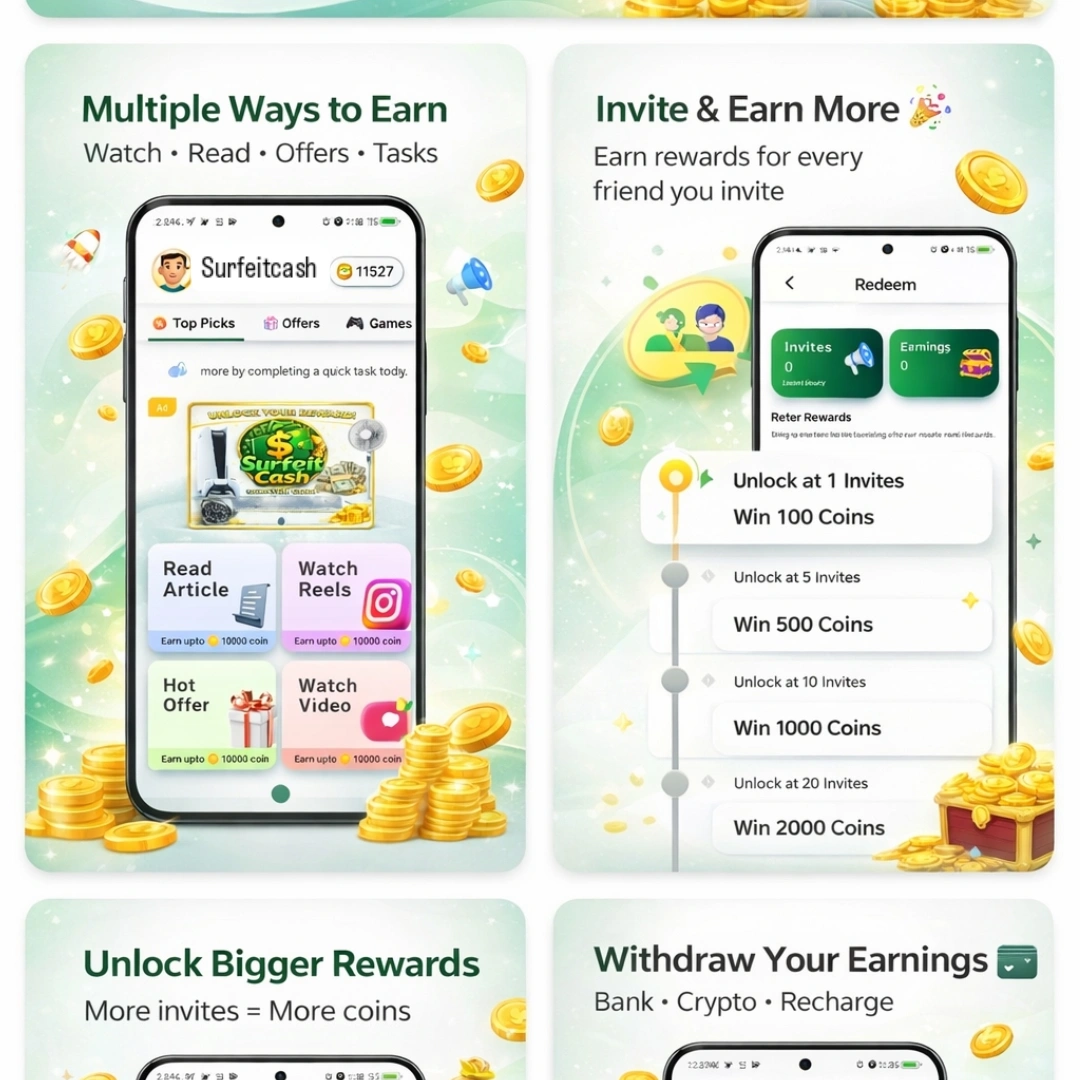
Safe cash loses value to inflation. Financial literacy tells you risk exists — but wealth requires you to take intelligent risk: starting a small business, investing steadily, building an income stream like Surfeit Cash. You cannot grow wealth by playing it 100% safe.
4. ✅ Focus on Income Growth, Not Just Expense Cutting
Financial literacy often obsesses over “cutting costs” — but you can only cut expenses so far. Wealth comes from earning more: building skills, multiple income streams, creating value. Learn to earn → then manage what you earn.
5. ✅ Give It Time — The Missing Ingredient
Compound interest needs years, not months. Financially literate people still stay poor because they quit too early. Consistency beats intensity. Small, steady efforts over long periods beat brilliant moves done once or twice.
📌 Final Truth
Financial literacy is the foundation — not the house. You can have the best foundation in the world, but you still need to build the house brick by brick, day by day, through rain and heat.
Literacy = knowing the rules.
Wealth = playing the game, staying in the game, and improving while you play.
Stop waiting to “learn enough” before you start. Start with what you know, learn while you earn, and keep going longer than everyone else. That is the secret financial literacy will never tell you.